When damage happens to your RV roof, many owners assume insurance will cover the repair. Unfortunately, that’s not always the case. While insurance can help in certain situations, many RV roof issues fall outside typical coverage.
Understanding what RV insurance usually covers—and what it doesn’t—can help you avoid surprises when filing a claim. It can also help you decide when an RV roof replacement may be the better long-term solution. Here’s what RV owners should know before relying on an insurance claim to repair their RV roof.
When RV Roof Damage Is Typically Covered by Insurance
RV insurance policies that include comprehensive or physical damage coverage are generally designed to cover sudden and accidental damage. If your RV roof is damaged by an unexpected event, such as hail, falling debris, or a collision, your policy may help cover repair costs depending on the terms of your coverage and deductible.
Some of the most common situations that insurance may cover include:
- Hail damage that dents or punctures the roof
- Falling debris, such as tree branches, during storms
- Collision damage caused by impact with structures such as low bridges or overhangs
- Severe storm damage, such as wind or lightning events
In these situations, the damage occurs suddenly and can usually be linked to a specific incident. When the cause of damage is clear and falls within the policy’s coverage, the claim is more likely to be eligible for reimbursement.
Even when damage appears obvious, documentation is still important. Taking clear photos of the damage as soon as it occurs can help support your claim and speed up the process.
Common RV Roof Insurance Exclusions
While many RV owners expect insurance to cover any roof damage, policies usually exclude problems caused by wear and tear or long-term maintenance issues. This is where many claims are denied. Typical exclusions often include:
- Aging or deteriorating roofing materials
- Maintenance neglect, such as failing sealant or cracked caulking
- Slow leaks that developed over time
- Water damage caused by long-term leaks or a lack of maintenance
In these cases, the insurance company may determine that the damage was preventable through routine maintenance. Once moisture enters the roof structure and causes problems such as wood rot or interior damage, the repair costs are often the responsibility of the RV owner.
This is one reason regular inspections and roof maintenance are so important for protecting your RV.
Tips for Strengthening an RV Roof Insurance Claim
If you believe your RV roof damage is covered by insurance, good documentation can make a significant difference in the outcome of your claim. A few simple steps can help strengthen your case:
Take Photos Immediately
Capture multiple angles of the damage as soon as possible after the incident.
Document the Cause
If the damage was caused by hail, falling debris, or a storm, take photos of the surrounding area and any evidence of the event.
Keep Maintenance Records
Showing that your RV roof has been properly maintained can help demonstrate that the damage was not caused by neglect.
Get a Professional Inspection
Having a trained technician evaluate the damage provides additional documentation for the insurance company.
When an RV Roof Replacement Is the Smarter Investment
Even when insurance covers a specific incident, repeated repairs can become frustrating and expensive over time. If underlying issues such as aging materials or sealant failure are present, those repairs may not be covered by insurance and can continue to cause problems.
In some cases, investing in a long-term solution, such as a FlexArmor RV roof replacement, can provide better protection and peace of mind.
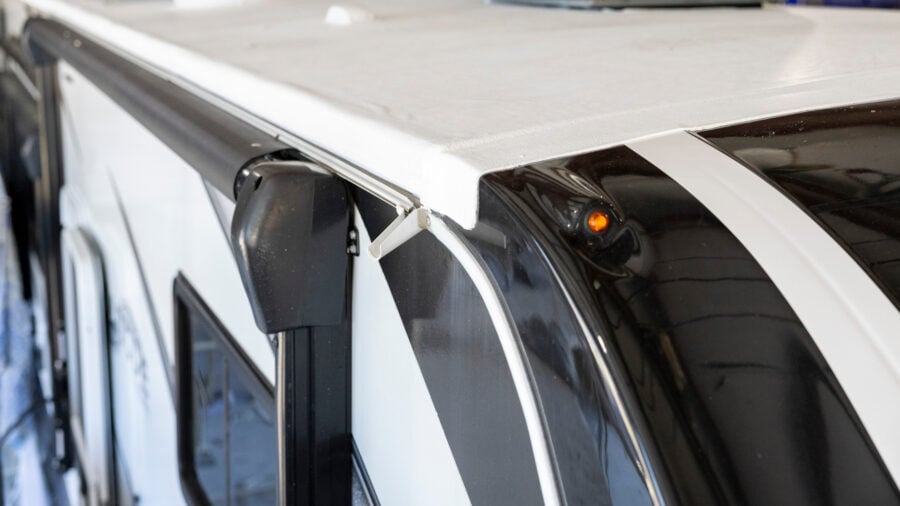
FlexArmor is a seamless, spray-on roofing system designed to nearly eliminate many of the common issues that lead to insurance claims in the first place. Because the roof is fully sealed, it helps prevent leaks, water intrusion, and ongoing maintenance problems.
The FlexArmor system also includes a lifetime warranty with a no-leak guarantee. For RV owners who plan to keep their vehicles for years—or travel frequently—a durable roof replacement often provides more value than repeated repairs.
Know Your Coverage Before Damage Happens
Insurance can be helpful when unexpected damage occurs, but it’s important to understand your policy’s limits. Not all RV roof damage qualifies for a claim, especially when it develops slowly over time.
Knowing what your policy covers, maintaining your roof properly, and choosing long-lasting solutions when repairs are needed can help you avoid major expenses down the road.
If you’re dealing with roof damage or considering an RV roof replacement, a certified FlexArmor installer can help evaluate your options. Contact your nearest FlexArmor certified installer or request a free estimate today.
